005MVP Development

Launch the smallest product that can prove the idea.

Turn the riskiest assumption into a focused, usable product, put it in front of real users, and learn before you overinvest.

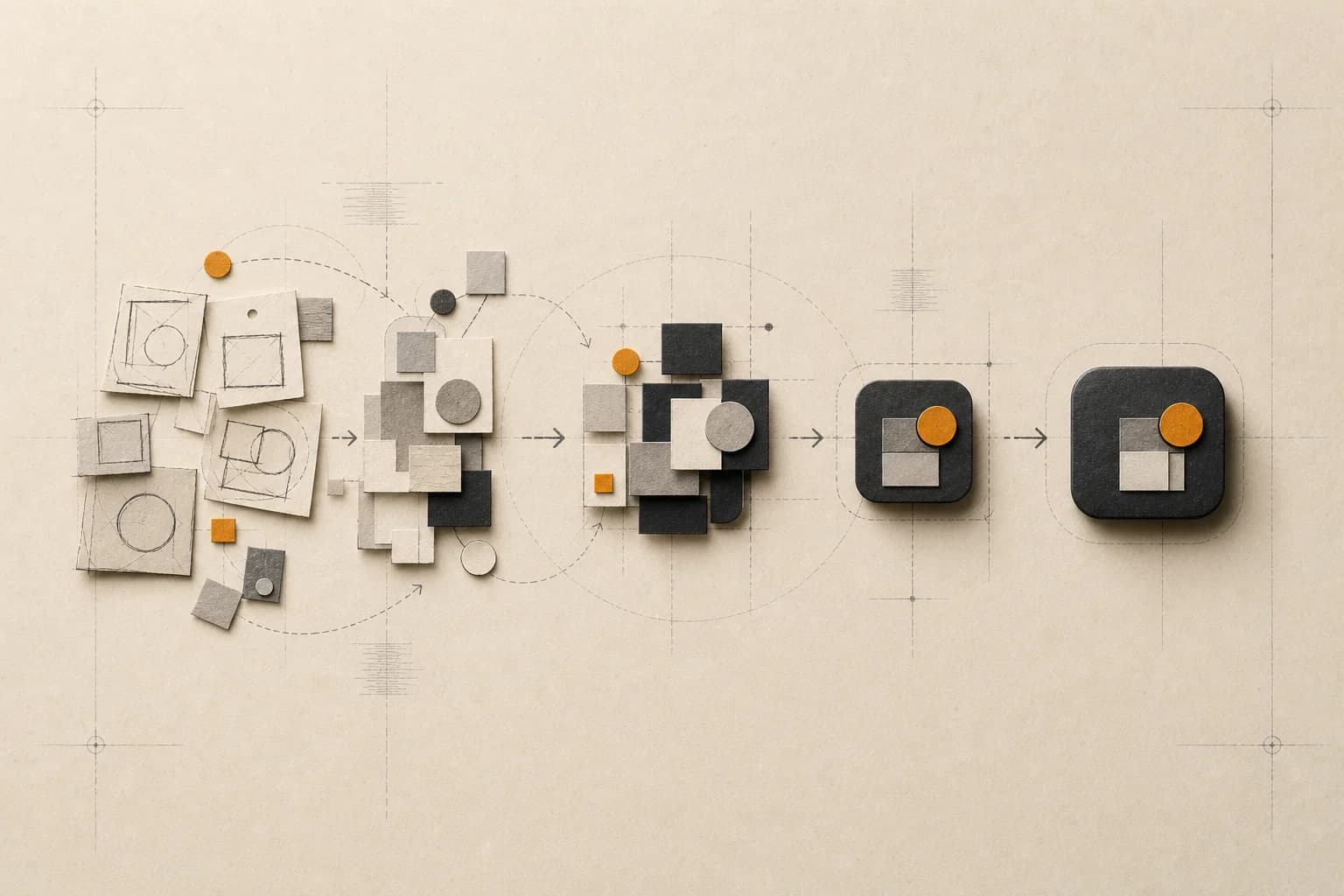
Rough prototype shapes progressing across a drafting surface into one focused launch-ready product.
svc-005
prototypinglaunchvalidationowned by you

001What it is

Start with the business problem, not the technology.

A minimum viable product is the smallest real product that can test an important business assumption with the people it is meant to serve. It is not every planned feature compressed into an unrealistic deadline, and it is not permission to ignore security, accessibility, reliability, or basic usability. The minimum refers to scope; viable means users can complete the core job and you can learn from what happens.

An MVP differs from a prototype and a proof of concept. A prototype tests a flow or interaction without production behavior. A proof of concept tests whether a technical idea is feasible. An MVP combines enough product, design, and engineering to deliver value in the real world, observe usage, support early customers, and make a better next decision.

We begin with the riskiest assumption rather than the longest feature list. The first release is shaped around one audience, one meaningful problem, one coherent path, and a clear signal of progress. Nice-to-have features remain visible in the backlog, but they do not hide the question the product is supposed to answer.
Strong fit

This is worth exploring when…

  • You can name a specific user, painful problem, and assumption that must be tested before a larger investment makes sense.
  • A prototype or manual service has created interest and the next question requires a working product people can use repeatedly.
  • An internal idea needs real workflow evidence before it becomes a company-wide platform or major transformation program.
  • The founding or sponsor team can speak with early users and make focused decisions as evidence arrives.

A different first step

Another path may be better when…

  • The target user and core problem are still broad guesses; interviews or a lightweight prototype can answer the next question faster.
  • The requested first release includes several audiences and complete feature parity with mature competitors.
  • There is no plan to recruit users, observe behavior, support the release, or change direction based on what is learned.

002How it works

A clear path from uncertainty to a usable result.

Each stage ends in something you can review, use, and keep — never just a status update.

  1. 01

    Define the bet

    We identify the target user, painful job, riskiest assumption, evidence already available, and the behavior that would justify further investment.

    deliverable: hypothesis + success signal

  2. 02

    Shape the minimum

    We design the shortest complete journey, prototype uncertain interactions, decide what can remain manual, and protect production essentials while deferring breadth.

    deliverable: prototype + lean scope

  3. 03

    Build visibly

    We deliver working slices and demo them every week. Analytics, feedback capture, and operational tools are built alongside the customer experience, not added after launch.

    deliverable: production MVP + analytics

  4. 04

    Launch and learn

    We release to the intended first users, observe the core path, resolve early friction, and turn evidence into a next roadmap: improve, expand, change direction, or stop.

    deliverable: launch + evidence backlog

003What you get

Concrete outputs, written down and handed over.

output/01

Lean product specification

The user, problem, hypothesis, core journey, success signal, boundaries, operational needs, and explicit list of what the first release will not include.

output/02

Prototype and interface design

Testable flows, responsive screens, usability decisions, and early technical experiments for the assumptions most likely to change the plan.

output/03

Production-ready MVP

A deployed product with appropriate security, accessibility, testing, analytics, admin support, monitoring, and a coherent experience for the first audience.

output/04

Launch and next-step plan

Release support, documented findings, prioritized feedback, technical documentation, and a roadmap tied to evidence rather than the original wish list.

Representative scenarios / not client case studies

What this service can look like in practice.

EX-01

A focused SaaS product

A founder tests whether one professional audience will pay to replace a painful recurring workflow, before building adjacent roles and advanced configuration.

EX-02

An internal workflow product

A team turns a manual process into a small production tool for one department, measuring adoption and time saved before a wider rollout.

EX-03

A new digital customer service

An established business offers one valuable customer journey online, learns where support and trust are needed, then expands the service deliberately.

004Common questions

The practical questions, answered plainly.

Related services

Have a problem that sounds like this?
Let’s map the next move.

Tell us what is happening today and what a better version would change. We’ll reply with an honest next step — even when that step is not a build.